
Common Myths About Dental Care Debunked by Our Experts
Oral Hygiene: Fact vs. Fiction
When it comes to dental care, many misconceptions can lead to improper practices and neglect. Our dental experts are here to debunk some of the most common myths and guide you toward better oral health.
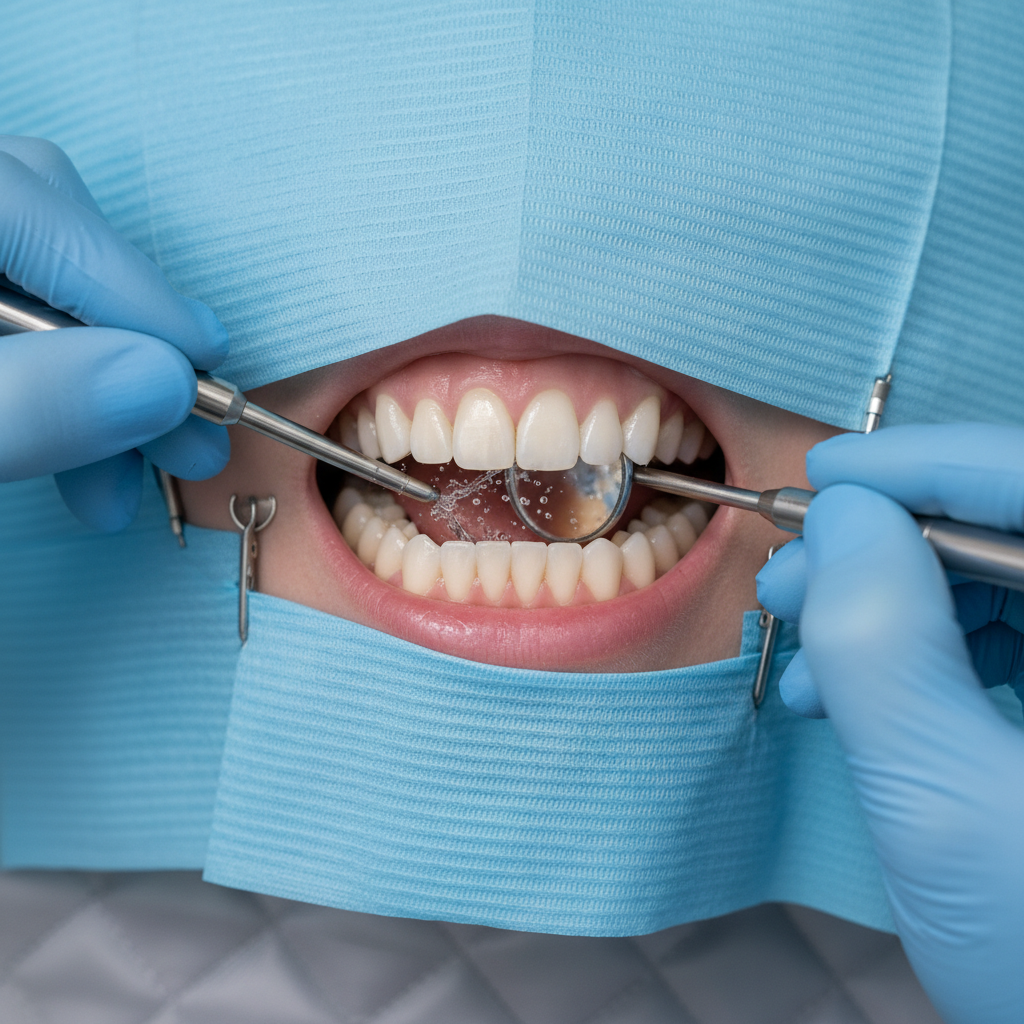
Myth 1: Brushing Harder Cleans Better
It's a common belief that brushing your teeth with more force will remove more plaque and stains. However, this is not true. Brushing too hard can actually damage your enamel and irritate your gums. Instead, use a soft-bristled toothbrush and gentle, circular motions to clean your teeth effectively.
Myth 2: Sugar Is the Only Culprit for Cavities
While sugar is a well-known contributor to cavities, it's not the only cause. Starches found in bread, chips, and pasta can also lead to tooth decay. These carbohydrates break down into simple sugars, feeding the bacteria that create cavities. A balanced diet and regular brushing help mitigate these effects.

The Truth About Dental Health
Understanding the facts about dental care can significantly improve your oral health. Let's explore more myths that need debunking.
Myth 3: You Only Need to Visit the Dentist When You Have a Problem
Many people think it's unnecessary to visit the dentist if they aren't experiencing pain or discomfort. However, regular dental check-ups are crucial for early detection of potential issues, preventing more extensive and costly treatments later. Most experts recommend a dental visit every six months.

Myth 4: Whitening Toothpaste Whitens Teeth
Whitening toothpaste can help remove surface stains, but it won't change the natural color of your teeth. These toothpastes contain mild abrasives that polish the teeth, but for significant whitening, professional treatments or products with bleaching agents are necessary.
Enhance Your Dental Routine
Incorporating accurate dental knowledge into your daily routine can lead to better oral health and a brighter smile.
Myth 5: Mouthwash Can Replace Brushing
Mouthwash is a helpful addition to your oral hygiene routine, but it should not replace brushing or flossing. While it can reduce bacteria and freshen breath, it doesn't remove plaque and food particles like brushing and flossing do. Use it as a complement for optimal results.

Myth 6: Bleeding Gums Are Normal
Many assume that bleeding gums during brushing or flossing is normal, but it can be a sign of gum disease. If you experience bleeding, it's essential to consult a dentist. Early intervention can prevent more severe issues like periodontitis.
By debunking these myths and adhering to proper dental practices, you can maintain a healthy, beautiful smile. For personalized advice, always consult with your dental care provider.