
Comparing Teeth Straightening Options: Aligners vs. Braces
Introduction to Teeth Straightening
Teeth straightening is a common orthodontic procedure that can significantly enhance your smile and dental health. With advancements in dental technology, the options for achieving straighter teeth have expanded. Two popular methods are traditional braces and clear aligners. Each has its own advantages and considerations, making the choice highly personal.
Understanding Traditional Braces
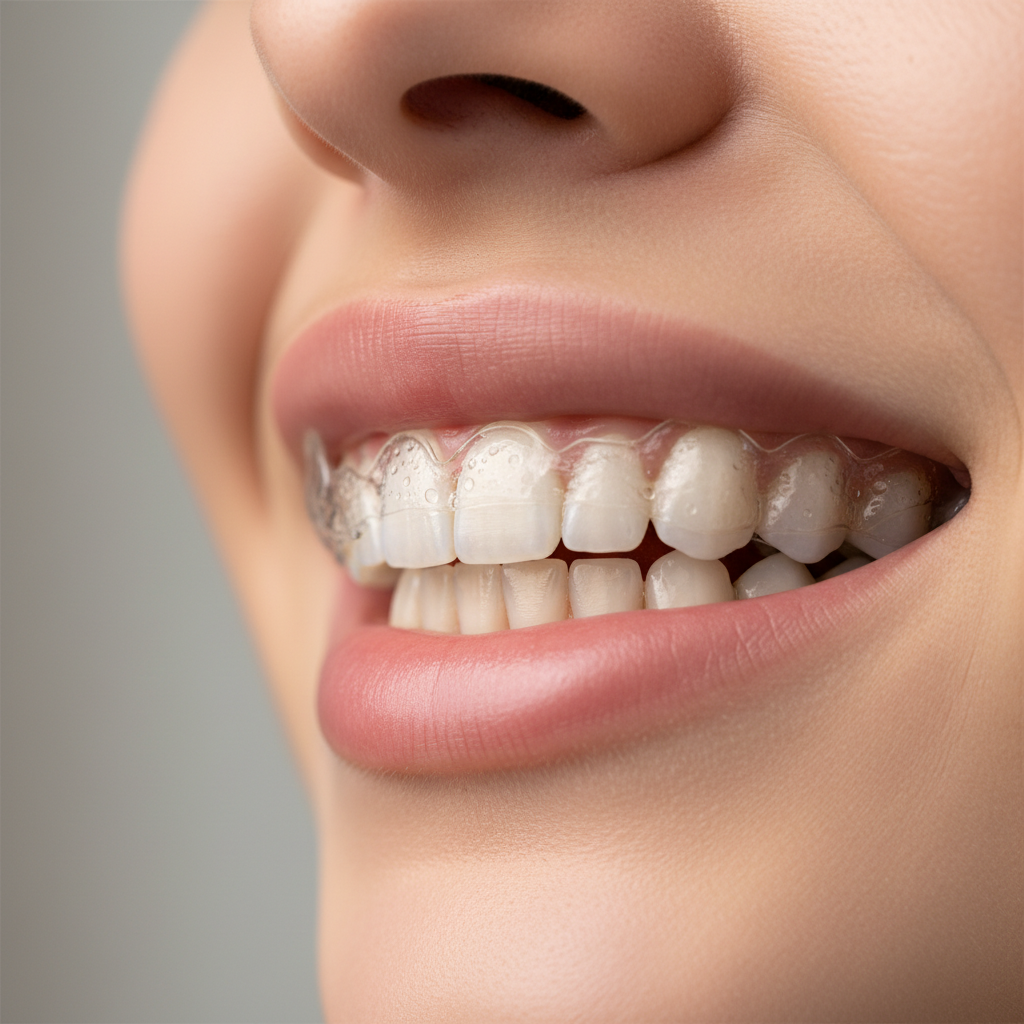
Traditional braces have been around for decades and are known for their effectiveness in treating complex dental issues. They consist of metal brackets bonded to the teeth and connected by wires. These components work together to gradually move teeth into the desired position.
Advantages of Braces
- Effective for Complex Cases: Braces are particularly effective for severe alignment issues, such as overcrowding and significant bite problems.
- Durability: Made of sturdy materials, braces are resilient and less prone to damage.
Despite their effectiveness, braces are often associated with discomfort and aesthetic concerns. The metal appearance can be a drawback for those seeking a more discreet option.
The Rise of Clear Aligners
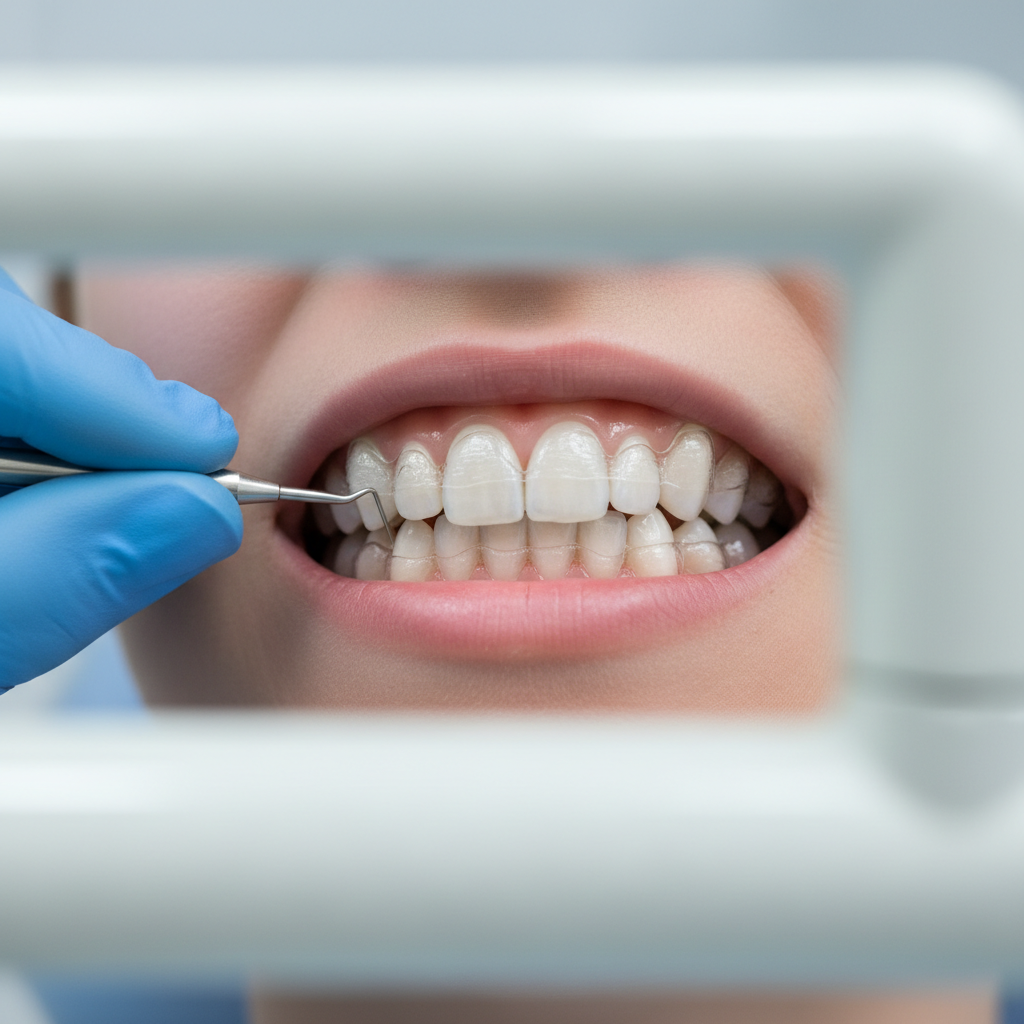
Clear aligners have become a popular alternative to braces, offering a more aesthetically pleasing option for teeth straightening. Made from transparent plastic, these aligners are custom-fitted to your teeth and are virtually invisible.
Benefits of Aligners
- Discreet Appearance: Aligners are nearly invisible, making them a preferred choice for adults and teens who want a subtle option.
- Removable: Unlike braces, aligners can be removed for eating, brushing, and flossing, providing greater convenience.
However, aligners require discipline. They must be worn for at least 22 hours a day to be effective, which might not suit everyone’s lifestyle.
Cost Considerations
The cost of teeth straightening varies depending on the method chosen. Traditional braces typically range from $3,000 to $7,000, while clear aligners can cost between $3,000 and $8,000. Insurance may cover part of the cost, so it’s important to check your plan.
Long-Term Investment
Both braces and aligners are long-term investments in your dental health. Consider your budget, lifestyle, and the complexity of your dental issues when deciding. Consulting with an orthodontist can help you make an informed choice.
Choosing the Right Option for You
Ultimately, the decision between braces and aligners depends on individual needs and preferences. Factors such as comfort, aesthetics, and lifestyle play a significant role in choosing the right orthodontic treatment.
Consulting with a qualified orthodontist will provide you with personalized advice and help you embark on your journey to a healthier, more confident smile.