
Complete Guide to Dental Implants: Benefits, Process, and Aftercare
Understanding Dental Implants
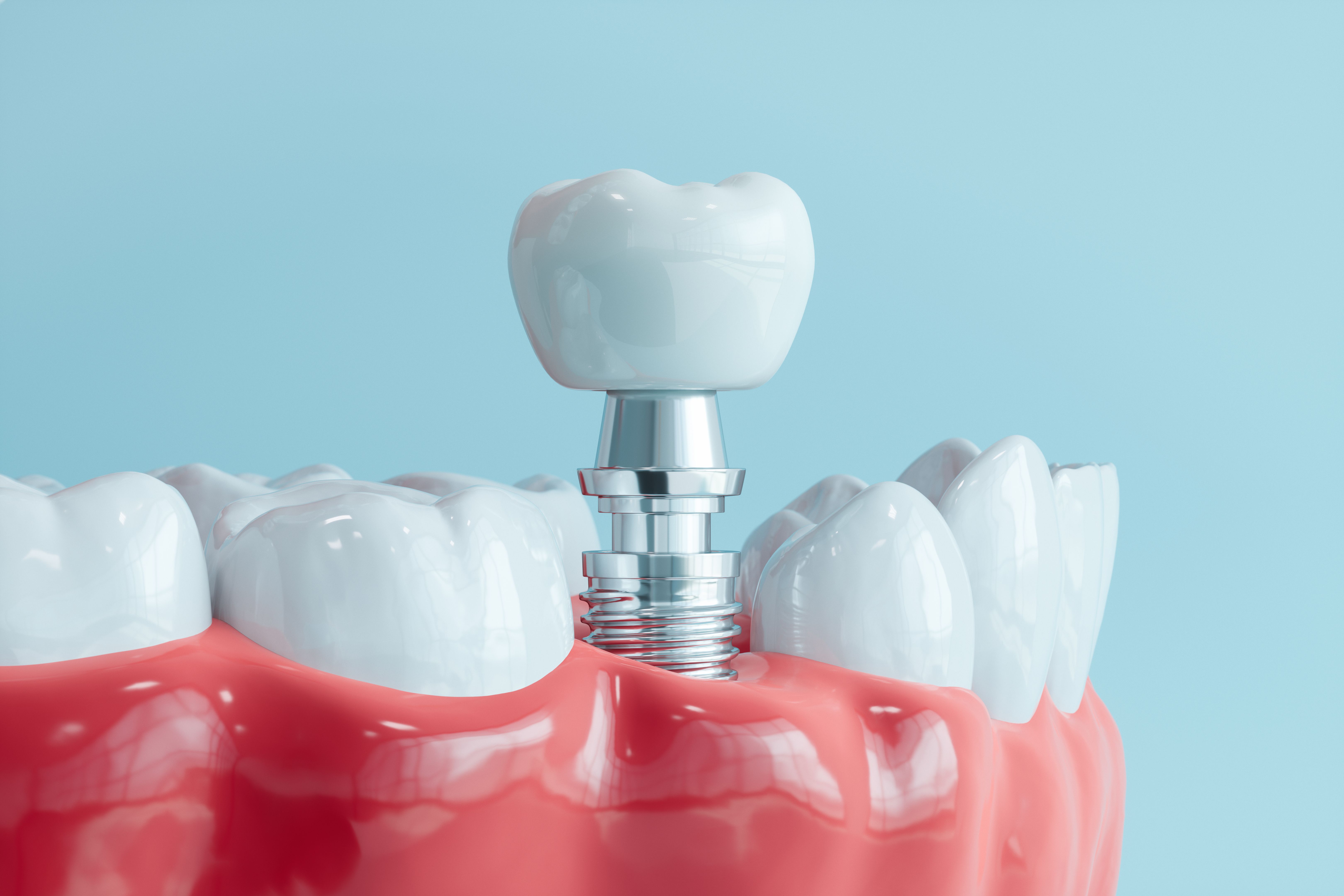
Dental implants are a popular solution for replacing missing teeth, offering a durable and natural-looking alternative to dentures or bridges. They consist of a titanium post surgically inserted into the jawbone, which acts as a root for the artificial tooth. Over time, the bone fuses with the implant, providing a stable foundation.
Benefits of Dental Implants
Durability: Dental implants are designed to last for many years, often a lifetime, with proper care. Their durability makes them a cost-effective solution in the long run.
Natural Appearance: Implants look and feel like natural teeth, helping to restore confidence in your smile. They also help maintain the natural shape of your face, preventing the sunken appearance that can occur with missing teeth.
Improved Oral Health: Unlike bridges, dental implants do not require reducing other teeth. This preserves more of your natural teeth, improving long-term oral health.

The Dental Implant Process
Initial Consultation
The first step in getting dental implants is an initial consultation with your dentist. During this appointment, they will evaluate your oral health, take X-rays, and discuss your treatment options.
Surgical Procedure
The next step involves the surgical insertion of the implant. This procedure is typically done under local anesthesia and can take a few hours. Once the implant is placed, you'll need to wait for the bone to heal and integrate with the implant, which can take several months.

Placement of the Artificial Tooth
Once the implant has fused with the jawbone, an abutment is placed on top of the implant. This serves as the base for the new tooth. Finally, a custom-made crown is attached to the abutment, completing the process.
Aftercare Tips
Proper aftercare is crucial for the success of your dental implants. Here are some essential tips:
- Maintain good oral hygiene by brushing twice a day and flossing regularly.
- Visit your dentist for regular check-ups and cleanings.
- Avoid hard foods that can damage the implant or crown.
- Quit smoking, as it can interfere with the healing process.

Conclusion
Dental Implants offer a reliable and effective solution for those looking to replace missing teeth. By understanding the benefits, process, and aftercare involved, you can make an informed decision about whether dental implants are right for you. Consult with your dentist to explore your options and take the first step towards a healthier, more confident smile.