
How Dermal Fillers Work: A Step-by-Step Process Explained
Understanding Dermal Fillers
Dermal fillers have become a popular solution for those seeking to enhance their facial features without undergoing surgery. These injectable treatments can smooth wrinkles, add volume, and rejuvenate the skin, offering a youthful appearance with minimal downtime.

Types of Dermal Fillers
There are several types of dermal fillers available, each designed to address specific concerns. Common types include:
- Hyaluronic Acid (HA) Fillers: Naturally found in the skin, these fillers are known for their hydrating and volumizing effects.
- Calcium Hydroxylapatite: This mineral compound is used to treat deeper wrinkles and folds.
- Poly-L-lactic Acid: A biodegradable synthetic material that stimulates collagen production.
- Polymethylmethacrylate (PMMA): A semi-permanent filler that provides long-lasting results.
The Step-by-Step Process
Consultation and Planning
The first step in the dermal filler process is a thorough consultation with a qualified practitioner. During this session, your goals, medical history, and expectations are discussed. The practitioner will evaluate your facial structure and recommend the most suitable filler type and treatment plan.
Preparation and Injection
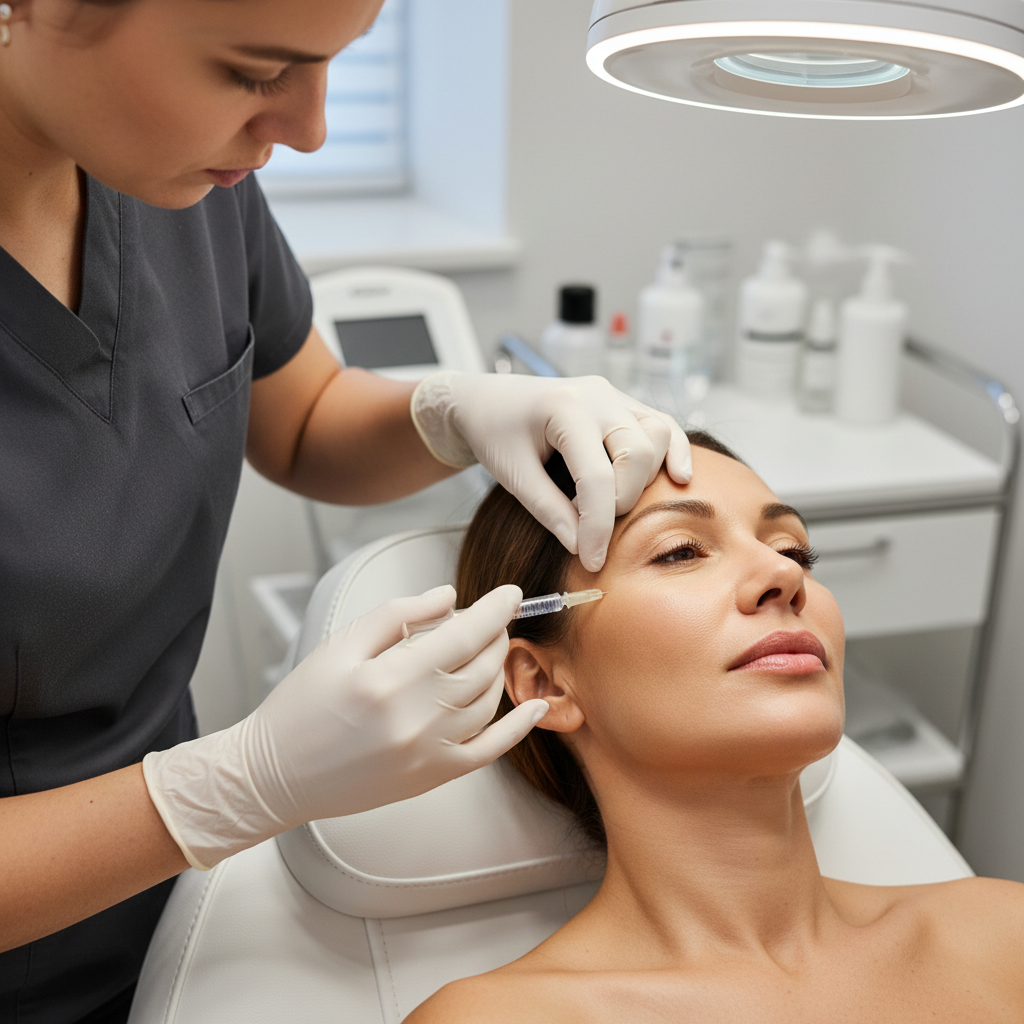
Once the treatment plan is established, the skin is cleansed, and a topical anesthetic may be applied to minimize discomfort. The practitioner then uses fine needles to inject the filler into targeted areas. The entire procedure typically takes less than an hour.
Post-Treatment Care
After the injections, some swelling or bruising might occur, but these effects are usually temporary. Patients are advised to avoid strenuous activities and excessive sun exposure for a few days. The results are often visible immediately, but optimal outcomes are seen as the filler settles over the following weeks.
Benefits and Considerations
Dermal fillers provide a non-surgical option to enhance facial aesthetics, offering results that can last from several months to a couple of years, depending on the filler type. They are a versatile solution for various cosmetic concerns, from lip enhancement to cheek contouring.
Potential Risks
While dermal fillers are generally safe, potential risks include allergic reactions, infection, and asymmetry. Choosing a certified and experienced practitioner can significantly reduce these risks, ensuring a safe and satisfying experience.
Conclusion
Understanding how dermal fillers work can help you make an informed decision about pursuing this cosmetic treatment. With the right practitioner and a clear treatment plan, dermal fillers can achieve natural-looking enhancements that boost confidence and aesthetic appeal.